
Sterling house care
Sterling Siding Pollen and Algae: What Homeowners Should Know
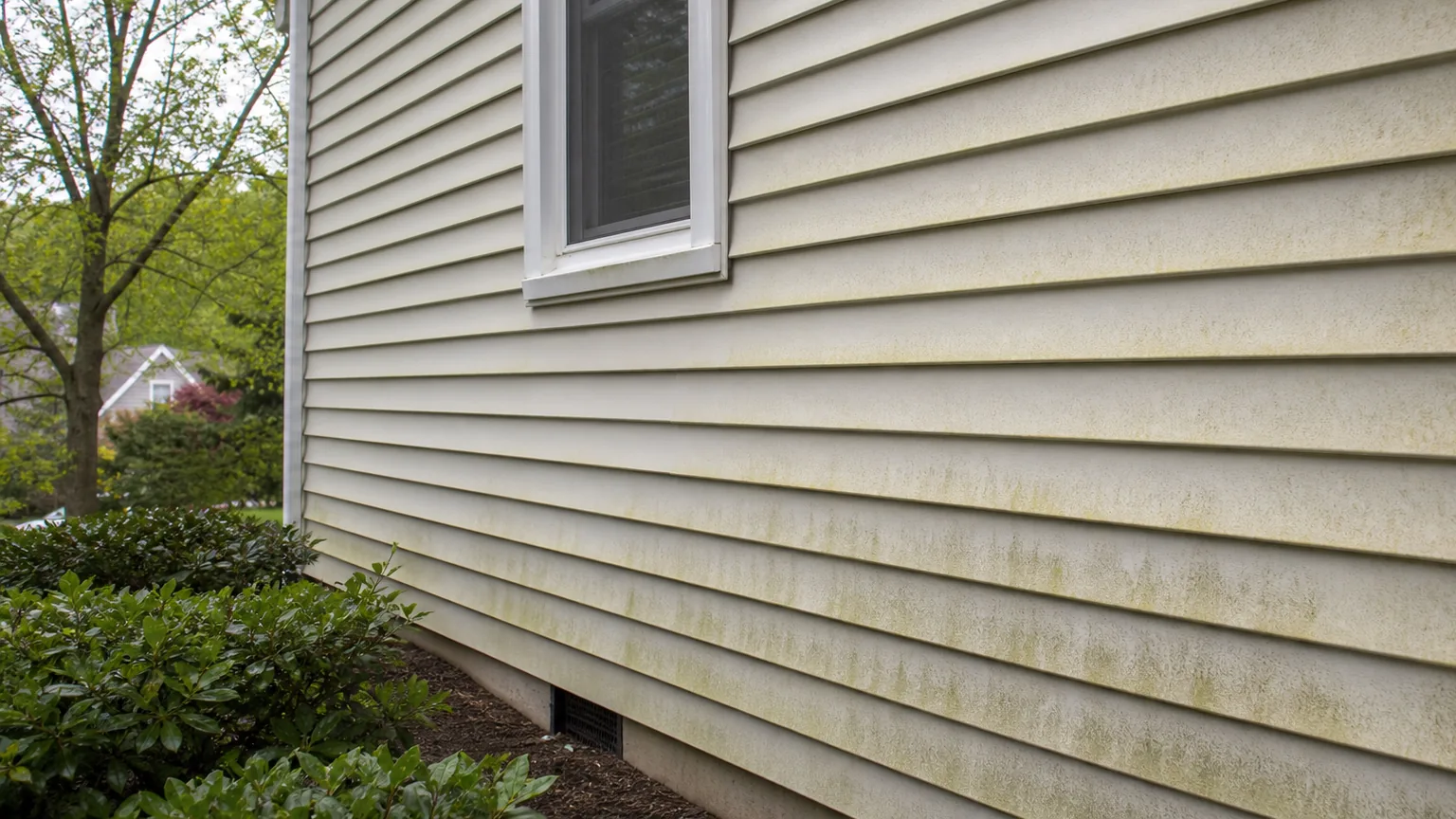
Sterling siding pollen and algae often appear together but require different treatment. Loose yellow pollen may rinse away, while green or black biological growth needs adequate cleaner contact time and a low-pressure rinse. Vinyl age, oxidation, failed caulk, nearby plants, and electrical fixtures should be checked first.
If siding stays streaked after pollen season or turns green on shaded walls, Diamond Power Washers can identify what is on the surface before recommending a house wash.
TL;DR
Pollen is loose seasonal residue. Algae and mildew are living growth. A garden-hose rinse may move pollen, but it will not reliably solve growth rooted in damp, shaded areas. House washing should use a siding-safe solution and low pressure, with plants, outlets, windows, and damaged areas protected first.
Key takeaways
- Yellow dust on horizontal ledges is usually pollen; green film on shaded lower siding is more likely biological growth.
- High pressure can force water behind vinyl panels and into openings around trim.
- Oxidized siding may show uneven color after dirt is removed, so test first.
- Spring is a useful inspection point, but visible condition should drive the schedule.
- This guide supports the existing Sterling house washing service page.
How can you tell pollen from algae?
Pollen usually looks like a dry yellow film and collects on window trim, siding laps, porch rails, and other horizontal edges. Algae is commonly green, gray, or black and concentrates on walls that stay damp. If a light rinse removes the residue completely, pollen was likely the main problem.
Both can be present at once. Pollen catches on textured vinyl and mixes with ordinary airborne dust. When that material remains on a shaded wall, it creates a dirtier surface that holds moisture longer. North-facing walls, areas behind shrubs, and siding below a slow gutter leak often show growth first.
Black specks need a closer look. They may be mildew, insect residue, road film, or artillery fungus from nearby mulch. Each behaves differently. A small test area keeps the cleaner from being stronger than the condition requires.
Why is high pressure the wrong starting point for vinyl?
High pressure is not the cleaning agent for vinyl siding. It can drive water upward through panel laps, disturb loose caulk, mark oxidized surfaces, and push moisture around windows or vents. A siding-safe wash relies on the correct solution and dwell time, followed by a controlled low-pressure rinse.
The Vinyl Siding Institute’s maintenance guidance treats cleaning as a material-care task, not a force contest. It recommends suitable household cleaning approaches and careful rinsing. On a full elevation, the practical goal is even treatment without streaks, trapped cleaner, or water forced into the wall assembly.
Older Sterling Park homes deserve an extra inspection because previous repairs, replacement windows, patched caulk, and brittle accessories can create weak points. Newer vinyl is not invulnerable either. Loose panels, cracked vents, open electrical covers, and damaged screens should be noted before water is applied.
What does oxidation change?
Oxidation is a chalky surface change caused by weathering, not ordinary dirt. It often appears as light pigment on a hand or cloth rubbed across older siding. Washing can remove contamination around it, but aggressive brushing or uneven pressure may make the oxidized color variation more obvious.
This is why an inconspicuous test matters on faded elevations. A homeowner may expect one uniform color beneath the grime, only to discover that years of sun exposure changed the surface itself. Cleaning improves the condition, but it cannot replace lost pigment or restore damaged vinyl.
What should a Sterling house wash include?
A standard house wash should define the surfaces being treated, the exclusions, plant protection, access, and rinse process before work starts. Siding, soffits, fascia, and exterior gutter faces may be included, while window detailing, roof cleaning, gutter interiors, decks, and concrete are often separate services.
Written scope prevents confusion. The crew should identify exterior outlets, door seals, cameras, damaged screens, open vents, and landscaping before setup. Plants are normally pre-wet and rinsed after treatment. Outdoor furniture and fragile decorations should be moved away from the walls.
The existing explanation of what a house washing service includes is a useful checklist when comparing estimates. For Sterling-specific service and booking information, use the house washing page for Sterling.
When should Sterling siding be washed?
Sterling siding should be inspected after spring pollen and again before winter, then washed when residue, streaking, algae, or mildew is visible. A shaded wall may need attention sooner than the sunny front elevation. Calendar-based annual service is convenient, but surface condition is the better trigger.
Waiting until every wall is green is unnecessary. Growth is easier to treat before it becomes thick, and slippery steps or dark soffits may show the problem before the main siding does. On the other hand, a home that stays dry and clean does not need washing simply because twelve months passed.
Frequently asked questions
Will rain wash pollen off vinyl siding?
Rain removes some loose pollen, but protected ledges, soffits, textured panels, and areas below roof overhangs often keep a yellow film. Rain also does not remove established algae or mildew. If residue remains after pollen season, a controlled wash can address the full elevation evenly.
Can pollen cause algae to grow?
Pollen does not turn into algae, but it adds organic residue that catches dirt and helps a shaded surface stay damp. Algae still needs moisture and suitable conditions. Regularly clearing debris from siding ledges, gutters, and shrubs reduces the material sitting against the wall.
Is soft washing safe for older vinyl siding?
Older vinyl can be washed safely when the surface is inspected and the method is adjusted for oxidation, brittleness, loose panels, failed caulk, and repaired openings. Low pressure reduces risk, but it does not remove the need to protect weak areas and test the cleaner first.
Does house washing include exterior windows?
A house wash normally rinses the outside of windows as part of treating surrounding siding, but detailed glass cleaning and guaranteed spot-free window service may be separate. Confirm the written scope. Screens, failed seals, and open windows should be addressed before the wash begins.
Can house washing remove artillery fungus?
Fresh artillery-fungus spots may respond to careful cleaning, while hardened spores can bond tightly to vinyl and leave shadows after removal. Standard house washing is not a guaranteed cure. Identify the spots first and address nearby hardwood mulch if it is feeding repeat outbreaks.
Match the wash to the siding condition
Diamond Power Washers provides surface-safe house washing in Sterling with clear scope and plant protection.