
After your service visit
What Should You Do After a Professional Pressure Washing Service?
Give surfaces 2 to 4 hours to dry before walking on them, and keep vehicles off a freshly washed driveway for 1 to 2 hours. Walk the exterior to confirm the work looks right. Note any surfaces — cracks, peeling paint, worn caulking — that the cleaning revealed. For decks or concrete you plan to seal or stain, start the dry clock now. Return outdoor furniture and items you moved only after surfaces are fully dry.
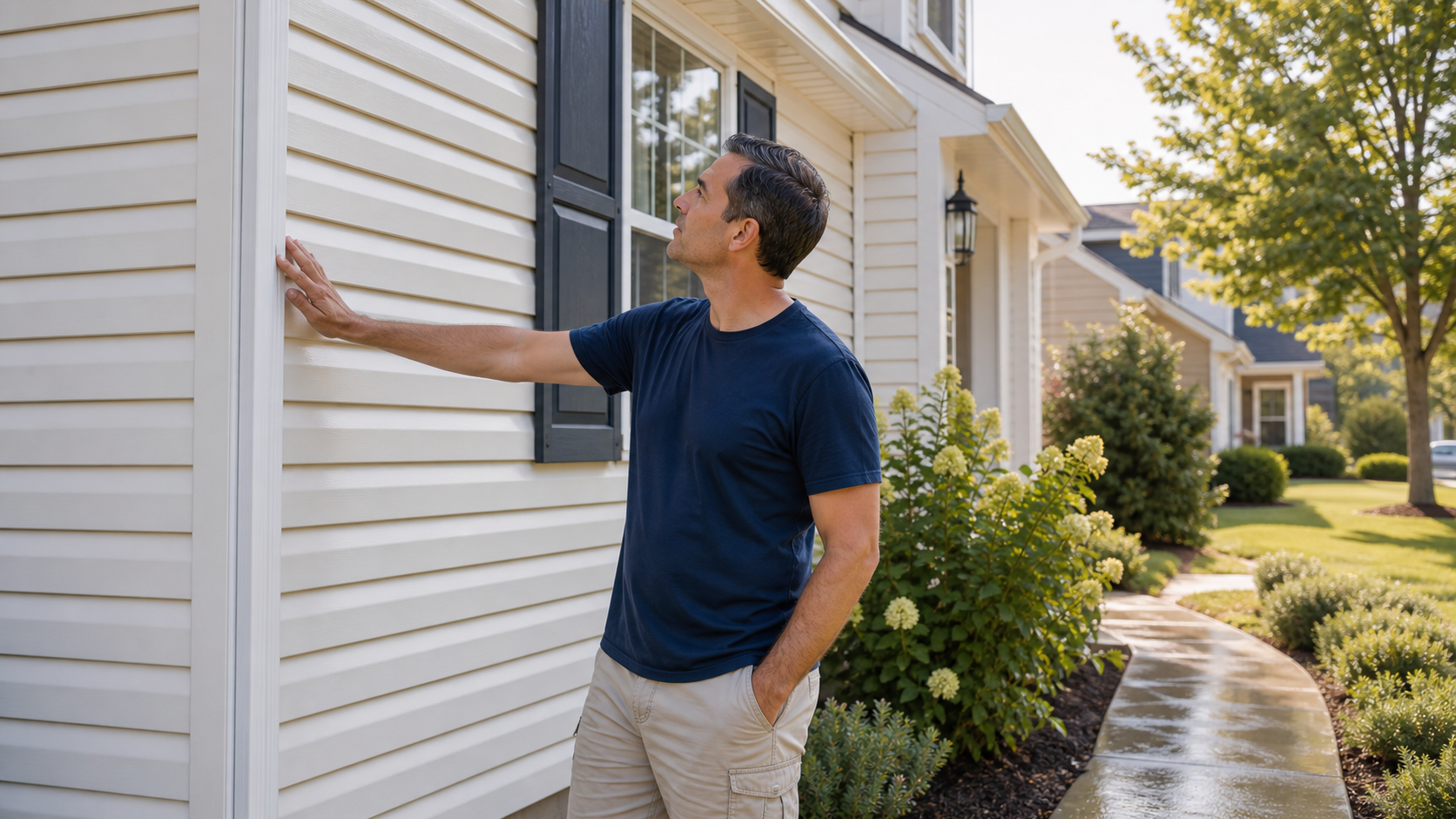
Most homeowners schedule a pressure washing service and then go about their day. The crew shows up, does the work, and leaves. You come home to a noticeably cleaner house or driveway and don’t think much about what comes next. That’s usually fine — but there are a few specific things worth doing in the hours and days after the service that affect both how long the results last and what you notice that may need follow-up work.
This page covers what to do in the first few hours, what to inspect while surfaces are clean, and what optional steps make the cleaning last longer.
The first two to four hours after the service
Freshly washed surfaces are wet and may be slippery on smooth concrete or stone. Keep foot traffic light for 2 to 4 hours on flat surfaces. Keep vehicles off a washed driveway for at least 1 to 2 hours. This is a surface-drying window, not a structural concern — the surfaces are fine, they’re just wet.
Most people just wait the natural 2 hours and then treat everything normally, which is fine. The one exception is if any cleaning chemical pre-treatment was used on a specific stain — an oil degreaser on the driveway, for example, or a soft-wash chemical treatment on siding. Your crew should let you know if any residual chemical dwell time or additional rinse steps are needed, but for a standard water-only pressure wash, the only thing you’re waiting for is natural drying.
In Northern Virginia’s summer heat, outdoor surfaces dry quickly in direct sun — usually 1 to 2 hours for flat concrete in full sun. Shaded areas, north-facing siding, and heavily textured surfaces take longer. On humid or overcast days, add an extra hour.
Walk the property and inspect what the cleaning revealed
Pressure washing removes years of accumulated grime, which often reveals things underneath that weren’t visible before: wood rot in siding or trim, cracked or failing caulking around windows and doors, peeling paint sections, concrete cracks, and rust spots. A 10-minute walk-around while surfaces are clean and visible is the best inspection the property gets all year.
This is one of the underrated benefits of a professional wash. When mold, dirt, and staining cover exterior surfaces, small problems hide under them. A crack in the driveway gets dark with algae and isn’t obvious until it’s washed clean. A section of siding that needs repainting shows up clearly once the mildew film is gone. Failing caulking around a window becomes visible after the dirt that was filling the gap gets rinsed out.
The things to look for specifically after a house washing in Northern Virginia:
- Siding condition — any buckled, cracked, or soft sections on vinyl or wood siding that need repair or replacement
- Window and door caulking — gaps, cracking, or missing caulk that could allow water infiltration
- Paint condition — peeling or blistering sections that washing made fully visible
- Trim and fascia — soft spots or rot in wood trim, particularly around the roofline
- Gutter condition — any sagging sections, separated joints, or downspout blockages visible from ground level
- Concrete cracks — driveway, walkway, or patio cracks that cleaning made easier to see and assess
- Stains that didn’t fully clean — deep rust, oil, or other staining that may need a follow-up treatment
When should you seal or stain after pressure washing?
Concrete and pavers: allow 48 to 72 hours of dry weather before applying a sealer. Decks (wood): allow 48 to 72 hours minimum, confirmed with a moisture meter before staining. Asphalt driveways: 24 to 48 hours of dry weather before resealing. Do not apply any sealant or stain to a surface that is still damp — it won’t bond correctly and the finish will fail early.
If sealing or staining is in the plan, the pressure washing visit kicks off the clock. The surfaces are fully clean and ready for treatment; they just need to dry first. Scheduling the sealing or staining appointment for 3 to 4 days after the wash gives a buffer for weather and guarantees the surfaces are ready. If rain is forecast within 24 hours of the planned sealing day, move the appointment — applying sealer just before or after rain gives poor results.
When can you move outdoor furniture back?
Return patio furniture, planters, and outdoor items when the surfaces feel dry to the touch and look dry — typically 2 to 4 hours in summer conditions. For wood decks where staining is planned later, keep the surface clear until after the staining is complete and cured. Furniture moved back too soon can leave moisture marks or indentations in a freshly washed but still-damp surface.
For a deck that’s being cleaned but not immediately stained, moving furniture back after 2 to 4 hours of drying is fine. The furniture will eventually re-deposit the same dirt that cleaned off, but that takes time — and the wood under the furniture is protected from UV, which can actually mean slightly better condition than the exposed boards over time.
Ready to schedule your next cleaning?
Diamond Power Washers serves homeowners across Fairfax, Manassas, Woodbridge, Reston, Ashburn, and all of Northern Virginia. 100% Satisfaction Guaranteed.
Frequently asked questions
How long should I wait to use my driveway after pressure washing?
Keep vehicles off a freshly washed driveway for 1 to 2 hours to let the concrete or asphalt surface dry. In warm summer conditions with direct sun, concrete driveways are usually dry enough for foot traffic in 1 hour and vehicle traffic in 2. In shaded conditions or on humid overcast days, add an extra 30 to 60 minutes. The surface is structurally unaffected — it’s simply wet and may be slippery.
Should I inspect my home after a pressure washing service?
Yes, and a post-wash inspection is one of the most valuable things you can do with 10 minutes. Pressure washing removes years of accumulated grime, which often reveals conditions that weren’t visible before: wood rot in siding or trim, cracked caulking around windows and doors, peeling paint, and concrete cracks. Surfaces are cleanest and easiest to inspect immediately after washing.
What should I look for after my house is pressure washed?
Walk the exterior and check: siding condition for any buckled or cracked sections; window and door caulking for gaps or cracks; paint condition for any peeling or blistering now visible; wood trim and fascia for soft spots; gutters for sagging sections; and driveways or walkways for cracks that cleaning made easier to see. Any stains that didn’t fully clean may need a follow-up treatment.
Can I apply deck stain right after pressure washing?
No. A wood deck needs at least 48 to 72 hours to dry after pressure washing before stain can be applied. In Northern Virginia’s summer humidity, dense pressure-treated lumber may need the full 72 hours. Confirm readiness with a moisture meter — the target is below 15 to 20 percent moisture content. Stain applied to wet wood doesn’t penetrate properly and will peel or blotch within a season.
How long should I wait to seal concrete after pressure washing?
Allow at least 48 to 72 hours of dry weather before applying a concrete sealer after pressure washing. The concrete needs to be fully dry, not just surface-dry, for the sealer to bond correctly. In humid Northern Virginia summer conditions, 72 hours is the safer target. Scheduling the sealing appointment 3 to 4 days after the wash gives a buffer for weather delays.
When can I put outdoor furniture back after the deck or patio is washed?
Return patio furniture when the surface feels and looks dry, typically 2 to 4 hours in summer conditions. For a wood deck where staining is planned, keep the surface clear until after the staining is complete and cured. Moving furniture back too soon on a freshly washed but still-damp deck can leave moisture marks, though these disappear once the wood dries fully.
What if some stains didn’t come out after pressure washing?
Some stains — particularly old, deep oil stains, rust from iron fixtures, and very old organic staining on concrete — need a specialized chemical pre-treatment that is applied before pressure washing. If the wash didn’t fully remove a specific stain, let the crew know so they can assess whether a targeted chemical treatment would help. In some cases, a second visit with the appropriate degreaser or acid treatment resolves what water pressure alone couldn’t.
How can I keep my home cleaner longer after pressure washing?
A few things slow the regrowth of mold, algae, and grime: keeping gutters clear so water drains properly instead of overflowing onto siding; trimming shrubs and trees back from the house to reduce moisture and organic debris on the walls; sealing concrete and pavers to reduce the porous surface that algae colonizes; and arranging for an annual wash before the spring pollen season in Northern Virginia rather than waiting for heavy buildup.
or call 703-853-4738